History & Development of the Manjushree Trail
The Kathmandu Valley Rim (KVR), officially known as the Manjushree Trail, is Nepal’s most iconic long-distance trail encircling the Kathmandu Valley. Developed through years of exploration, endurance running, and community collaboration, the Manjushree Trail represents a major milestone in trail running in Nepal and sustainable trail development.
What Is the Kathmandu Valley Rim (KVR) / Manjushree Trail?
The Manjushree Trail is a continuous trail loop that follows the ridgelines surrounding the Kathmandu Valley. It connects ancient footpaths, forest trails, villages, and viewpoints, creating a runnable and hikeable route that showcases Nepal’s natural and cultural landscape.
Often referred to as the KVR Trail, it serves as:
- A long-distance trail for runners and fast-packers
- The official route of the Manjushree Trail Race (MTR)
- A platform for trail conservation and community engagement
- Future of Sustainable Tourism and adventure sports
- Foundation of Trail and ultra races in Nepal
- Home of Trail runners of Nepal
- Identity of Elite athlete of Nepal
- A marked trail
- A fixed GPX route
- Organized aid or safety systems
- Point system
- Always changing route
- Getting lost was not a big deal
- Explore and map long-distance trails in Nepal
- Replace road sections with sustainable trail alternatives
- Promote trail running culture in Kathmandu and beyond
- Provide Platform for the endurance athlete
- Connect fragmented trail sections
- Minimize road usage
- Improve trail flow and safety
- Create a scenic and runnable long-distance route
- Promoting trail running in Nepal
- Encouraging sustainable trail use
- Building a strong local trail community
- Nepal’s flagship valley-rim trail
- A training ground for ultra-runners
- A symbol of grassroots trail development
- A foundation for the endurance athlete
- Sustainable trail development in Nepal
- Preservation of ancient footpaths
- Community-driven outdoor tourism
- Growth of trail running in South Asia
Q: Were there FKT attempts on the Kathmandu Valley Rim before the Manjushree Trail was finalized?
A: Yes. Several long-distance runners completed FKT-style continuous loops around the Kathmandu Valley Rim years before the trail was officially finalized and marked. These efforts were exploratory and helped shape what later became the Manjushree Trail.
Q: Who completed the first documented continuous push around the KVR?
A: In November 2015, Seth Wolpin completed the first widely documented continuous push around the Kathmandu Valley Rim, covering approximately 172 km in about 49 hours 55 minutes. This is considered the earliest known full rim completion.
Q: Who significantly influenced the KVR route after the first completion?
A: In March 2016, Lizzy Hawker ran a longer version of the rim, extending the route by approximately 20 km and completing it in around 35 hours 39 minutes. Her effort helped further define the outer boundary of the valley rim.
Q: Were there team or group completions before the official trail existed?
A: Yes. In March 2018, a small team including Simon, Jocelyn, and Raj Pradhan completed a roughly 164 km (102-mile) loop in about 38 hours, adding more navigation data and route options.
Q: Did Jimi Oostrum complete the KVR before supporting the Manjushree Trail Race?
A: Yes. In November 2018, Jimi Oostrum completed a continuous KVR push in approximately 39 hours. This was before the Manjushree Trail Race existed, and his involvement later became crucial for financial and logistical support of MTR.
Q: Were there FKT attempts connected to the Trailmandu community before trail finalization?
A: Yes. In 2019, runners such as Hannah Straw and Peeta completed solo rim pushes (around 57–59 hours), with support and tracking assistance from early Trailmandu members, including Aashish Mishra, Rashila Tamang, and others.
Q: Who completed one of the last major FKT efforts before the official race era?
A: In February 2020, Stine Heiselberg completed a single-push circumnavigation of the KVR in 55 hours 59 minutes 41 seconds, paced in sections by Aashish Mishra and Mahesh Thapa, with a support crew that included Jimi Oostrum.
Q: Were these FKTs done on the same trail used for today’s Manjushree Trail Race?
A: No. These FKTs were completed before the trail was finalized. Runners navigated a mix of trails, roads, ridges, and villages. Their experiences directly influenced route selection, trail continuity, and safety considerations used in the finalized Manjushree Trail.
Q: Why are these early FKTs important to the history of MTR?
A: These early FKT attempts laid the foundation for the Manjushree Trail (KVR). They proved the feasibility of a continuous rim route, highlighted problem sections, and inspired the creation of the Manjushree Trail Race, transforming exploration into an organized trail-running event.
Q: Who explored the Manjushree Trail (KVR)?
A: The Manjushree Trail was primarily explored by Rashila Tamang and Aashish Mishra. At that time, much of the route consisted of dusty roads and unconnected trail sections. They worked extensively to complete the trail alignment. Later, Jeevan Lama, Mahesh Thapa, and Bikash Tamang joined during the final phase to help finalize the route and carry out trail marking.
Q: Who started the Manjushree Trail Race (MTR)?
A: The Manjushree Trail Race (MTR) was initiated by Trailmandu, with Aashish Mishra and Rashila Tamang playing key roles in conceptualizing and launching the race to promote trail running culture around the Kathmandu Valley Rim.
Q: Who supported Manjushree Trail Race (MTR) financially?
A: The Manjushree Trail Race received important financial support from Jimi Oostrum, whose contribution played a significant role in making the early editions of the race possible.
Q: What is the history behind the birth of Trailmandu?
A: Trailmandu was born out of a passion for trail running, fastpacking, and long-distance mountain adventures in Nepal. It started with a vision to explore, map, and promote sustainable trail routes around Kathmandu and beyond, while creating inclusive trail running events that connect local communities with the global trail-running scene.
Q: Who organized the Manjushree Trail Race from the 1st to the 5th edition?
A: The Manjushree Trail Race (MTR) from the 1st through the 5th edition was organized by Trailmandu, led by Aashish Mishra and Rashila Tamang, and Jeevan Lama with support from a dedicated local volunteer and trail community.
Manjushree Trail trailrunning
Recommended Reading
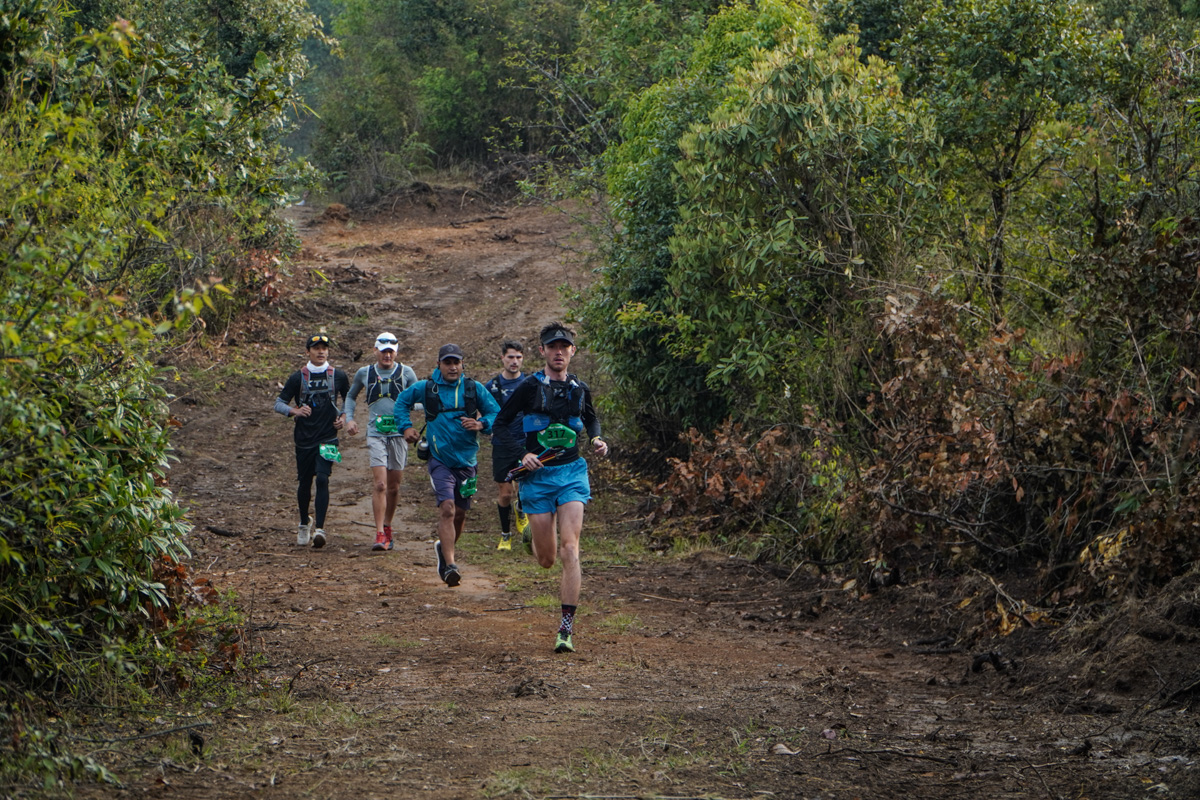
Manjushree Trail Race
The Manjushree Trail Race (MTR) has become one of Nepal’s most defining ultra-endurance events—a powerful blend of rugged Himalayan landscapes, historical footpaths, and a trail-running community driven by passion and exploration
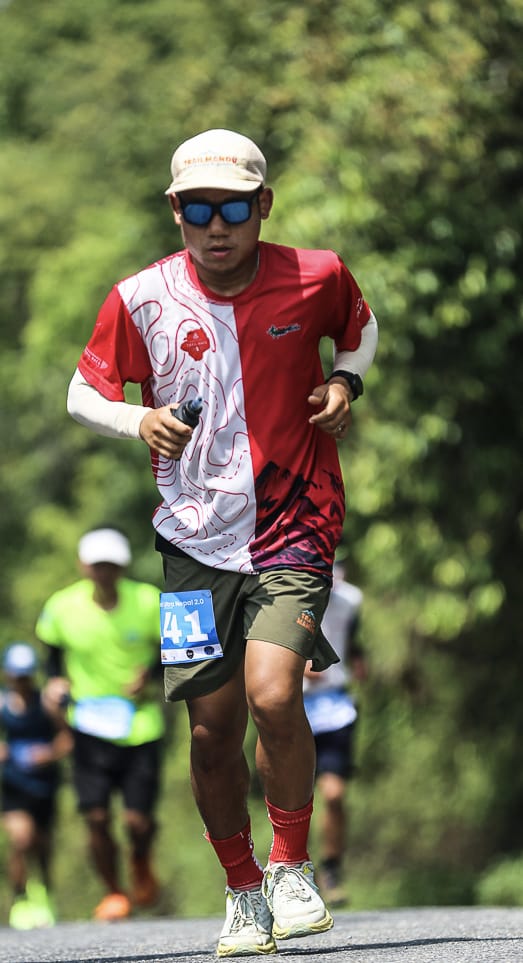
Bijay Rana Magar Wins First Backyard Ultra in Pokhara
Bijay Rana Magar of Team Trailmandu outlasted all, finishing 25 loops—174 km with 5,800 m of climb. The winner of Backyard Ultra 2.0 Pokhara is Bijay Rana Magar
The Story Behind Nepal’s First Hydration Vest
The Story Behind Nepal’s First Hydration Vest.Trail running and ultra marathons are still young sports in Nepal, but their story is nothing short of inspiring.
Reviews & Comments (0)
Leave a review
Loading comments...